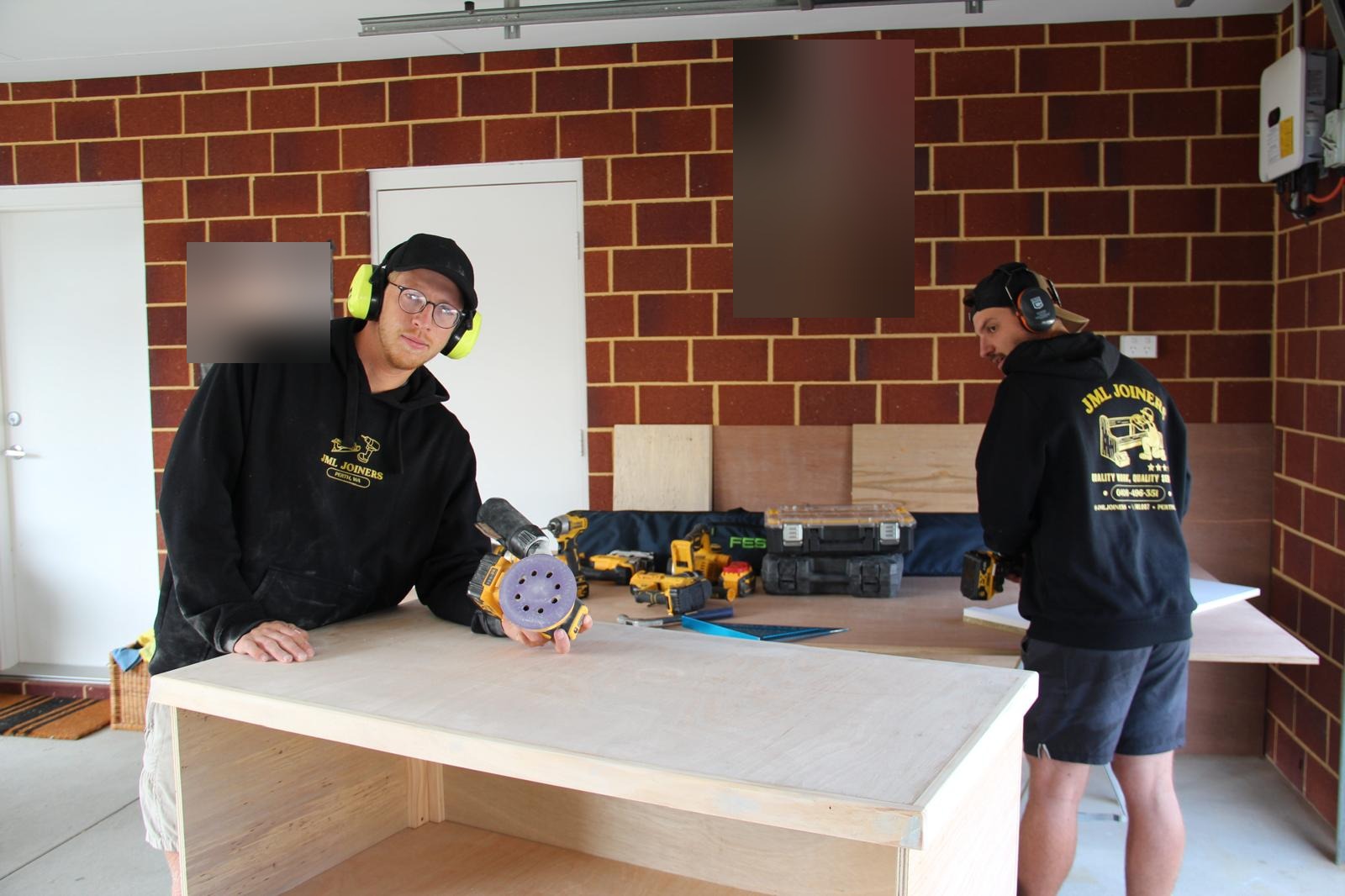
Commissioning bespoke furniture can feel very different from buying something off the shelf.
You're not simply choosing a product from a catalogue.
You're working with someone to create something specifically for your space.
For Jono and the team, we want that process to feel straightforward, transparent and customer-focused.
1. Start with a conversation
The process begins with a phone conversation.
We'll talk about the job, what you're hoping to achieve and what the space looks like.
We may also ask you to send through photographs so we can get an initial understanding of the project.
2. Site visit
Before work begins, we arrange a site visit.
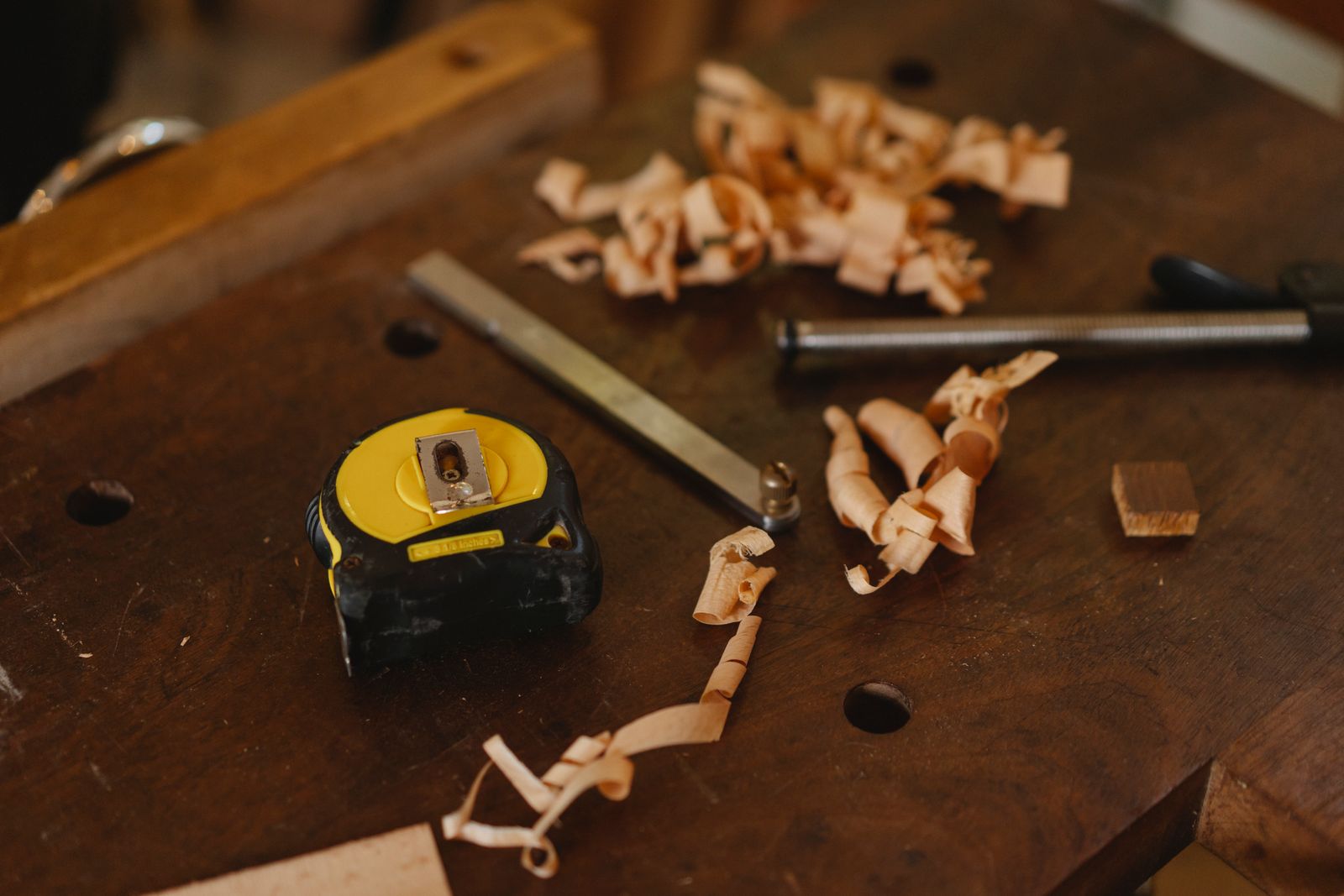
This gives us the opportunity to see the space properly, discuss ideas in person and take measurements.
It's also an opportunity for the customer to explain what they want and for us to identify things that may not be obvious from photographs.
3. Decide on the design
The design is discussed with the customer before the quote is finalised.
This is an important part of the process.
Rather than simply deciding what will fit, we want to understand what the customer actually wants the piece to do and how they want it to look.
4. Different options
Where appropriate, we may quote two or three different options for the same project.
This gives the customer a better understanding of how different approaches affect the price.
It also means the customer can make an informed decision about where they want to invest and where they may prefer a simpler solution.
5. Time to consider the quote
Once the quote has been provided, the customer has time to consider it.
There is no point rushing someone into a bespoke project.
The customer should understand what they're getting and feel comfortable with the decision.
6. Deposit and the build begins
Once the customer accepts the quote and the deposit is paid, the build can begin.
Where appropriate, the cabinetry or furniture can be fabricated off-site.
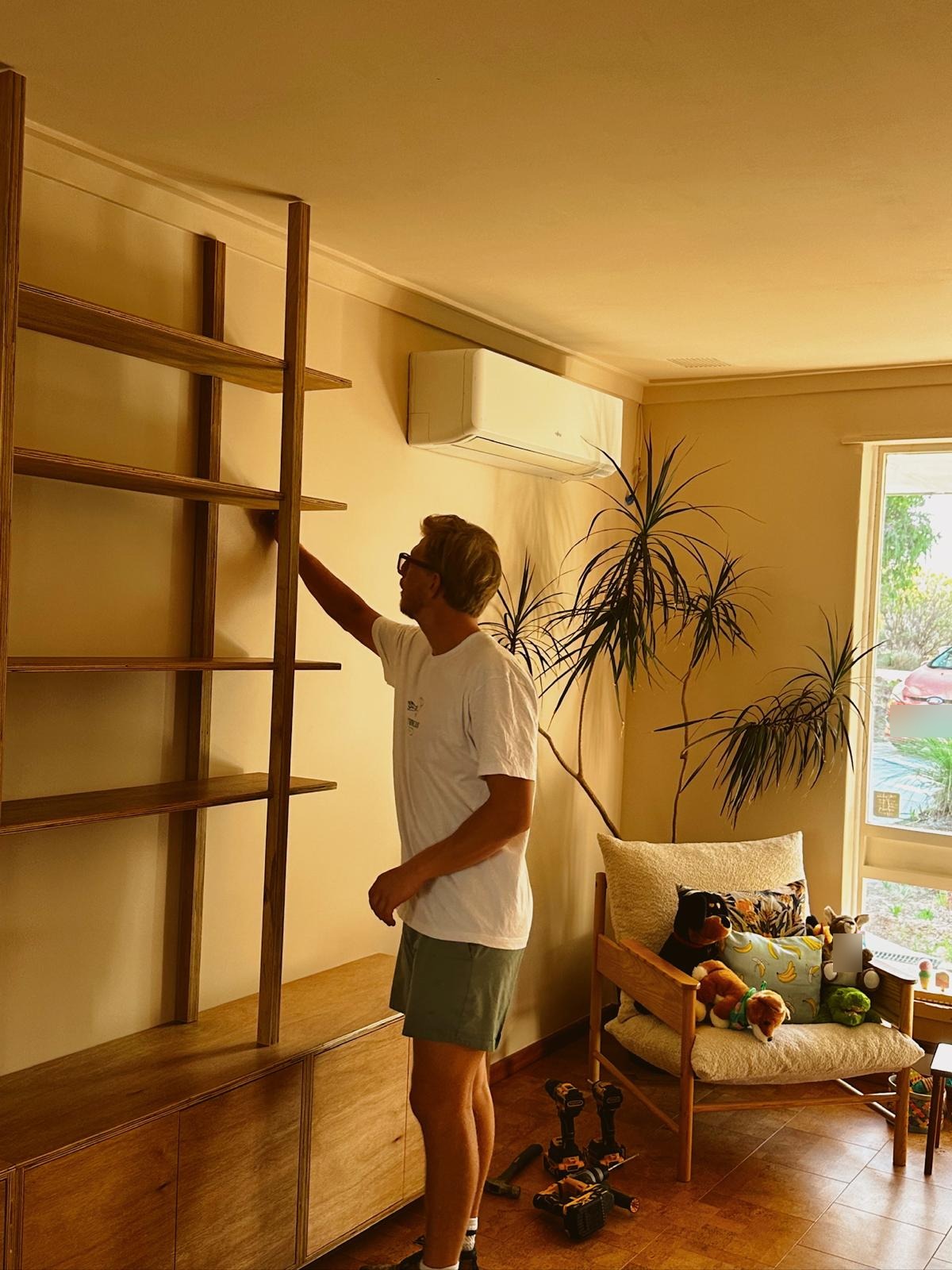
7. Installation
The finished components are brought to site and installed.
This is where the cabinetry is positioned, levelled and fixed, with scribes and trims used where necessary to make the furniture integrate with the existing room.
8. Finishing
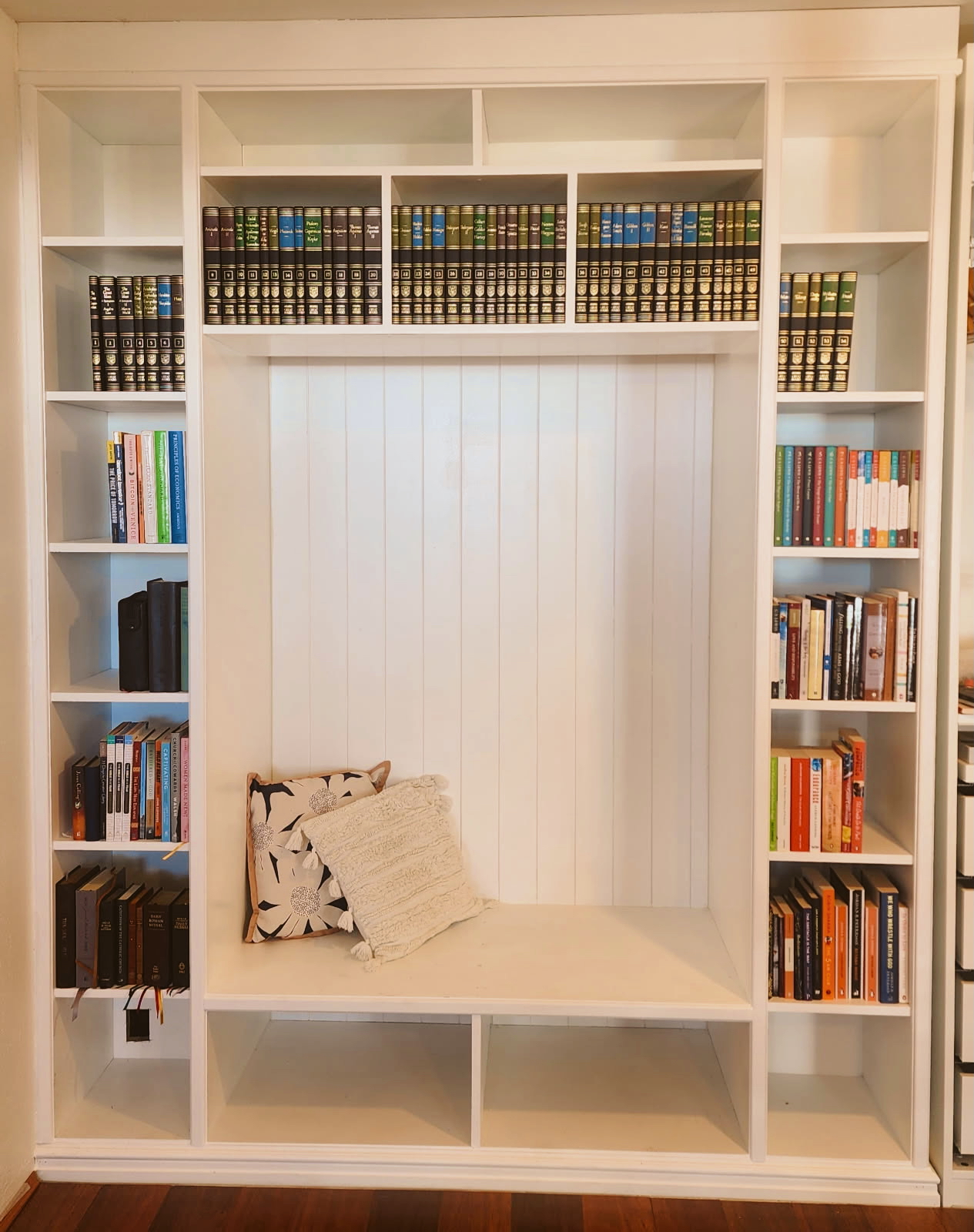
Depending on the project, the customer can arrange for a painter, decorator or sprayer to finish the cabinetry.
There may also be the option for JML to handle the spraying.
The finishing stage is important because a beautifully built piece deserves a finish that matches the quality of the construction.
A customer-first approach
For us, customer experience isn't simply about being friendly.
It's about making sure the customer feels valued, understood and comfortable with what they're paying for.
Sometimes that means recommending a simpler solution.
If we believe a customer is considering something they don't actually need, we'll say so.
That can occasionally mean less work for us, but we'd rather recommend the right solution than encourage a customer to spend more simply because they are willing to.
What success looks like
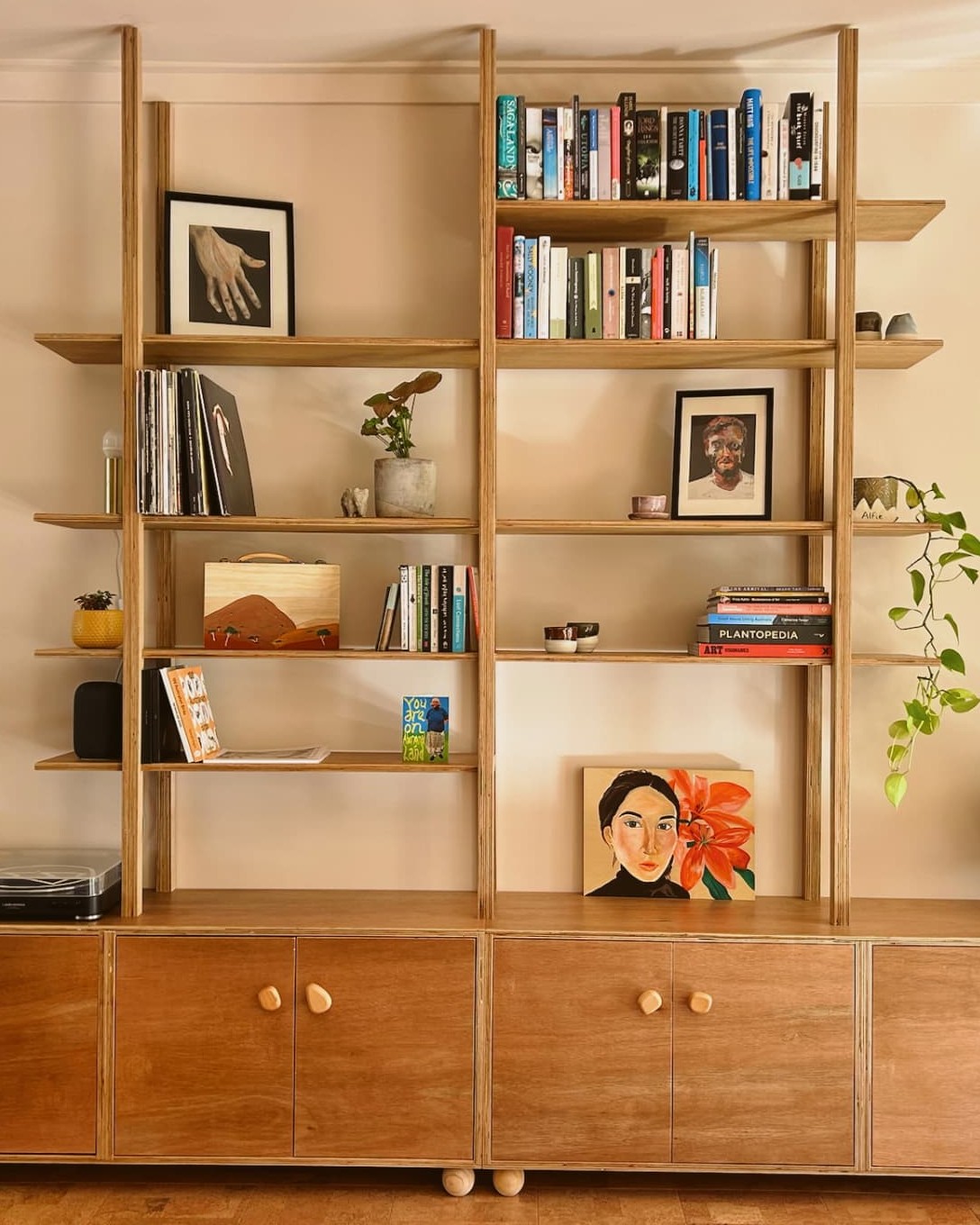
A successful project isn't just one where the cabinetry looks good.
We want the customer to be happy with:
- The quality of the work
- The finish
- How tidy the team has been
- Communication throughout the project
- How well the piece works within the room
- How effectively the space has been used
Ultimately, the best outcome is a customer who is happy to recommend JML to someone else.